Planning to join the river-side fun? Before Du cast off, it pays to know the rules. This guide to Saint Albans Boat Party Permits and Regulations walks Du through what permits Du might need, how to apply, the must-follow rules on the water, and practical tips so your day on the river stays legal, safe, and downright enjoyable. Read on—this is the kind of prep that keeps the good times afloat.
Permits You May Need for the Saint Albans Boat Party
If Du’re gearing up for the Saint Albans Boat Party, Du’ll want to check your paperwork. Not every vessel needs a basketful of permits, but depending on what Du plan to do—sell snacks, anchor mid-river, play amplified music—Du might need one or more permissions. Below are the common permits and documents people encounter for Riverfest-style events.
Managing guests is often more complicated than it looks—especially when safety, capacity limits and insurance are involved. If Du’re handling invitations, boarding lists or passenger checks for your boat, it helps to use a clear system: consult the organisers’ practical advice on Guest List Management for Saint Albans Boats to make sure everyone allowed on board is covered by your safety plan, that you don’t exceed limits, and that emergency contacts are recorded reliably.
Putting a party together on the water takes several moving parts: permissions, safety equipment, waste plans, and coordination with fellow boaters. For a broader look at what to arrange and when, check the event planning checklist and guidance in Organizing a Boat Party, which walks Du through essential steps from early permits to on-the-day management, helping you avoid common mistakes and keep your crew comfortable and compliant.
Timing is everything: permit windows, supplier bookings, and volunteer coordination all follow a schedule. Use the practical timeline at Planning a Saint Albans Waterfront Boat Party Timeline to map out when to apply for river permits, arrange pump-out slots, submit entertainment notices, and run safety drills. A good timeline reduces stress and keeps Du on the right side of local rules.
Common permits and documentation
- Vessel registration and proof of ownership: Most waterways require current registration. Carry the paperwork on board.
- Valid insurance (third-party liability): Highly recommended and often mandatory for powered craft—this protects Du if you cause damage or injury.
- Temporary event or river-use permits: Organisers sometimes obtain overarching permissions, but individuals may still need to notify the navigation authority or hold short-term permits for specific activities.
- Mooring/anchoring permission: Raft-ups in particular zones can require prior approval—don’t assume every stretch of river is fair game.
- Commercial licences: Operating a charter, selling goods, or offering paid services from a vessel usually requires commercial permits and health/safety checks.
- Entertainment and alcohol licences: Selling alcohol or running loud music may trigger a temporary event notice or licensing obligations.
- Skipper qualifications: For larger or commercial boats, recognised competency certificates can be required.
- Radio/communications licences: If Du use transmitting equipment beyond simple VHF receive-only, check for licence needs.
- Environmental consents: Any activity affecting protected banks, fish spawning zones, or reedbeds might need explicit consent.
Here’s a practical way to think about it: if someone else could be hurt, something could be damaged, or Du’re changing the river environment, Du probably need permission. Ask the Riverfest organisers or the local navigation authority if Du’re unsure.
Applying for River Permits: A Step-by-Step Guide
Getting permits sorted early makes everything smoother. No one enjoys last-minute panics on the dock. Follow this step-by-step approach to increase the odds your application sails through.
Step 1: Identify the right authority
Who manages the stretch of river near Saint Albans? It could be the local council, a navigation authority, river trust, or a harbour board. The event organiser usually knows who to contact—start there.
Step 2: List what you plan to do
Write down the specifics: will Du anchor, raft up, sell food or alcohol, have amplified music, or operate a passenger boat? Each action might need a different permit.
Step 3: Gather your documents
Common attachments include registration, insurance certificates, skipper qualifications, photo ID, and a vessel safety checklist. If Du’re organising an activity, prepare a basic event plan and risk assessment.
Step 4: Map your activity
Create a simple map showing where Du’ll gather, anchor, or move. Mark emergency access points and designated waste-drop locations. A clear map reduces back-and-forth with authorities.
Step 5: Write a safety and emergency plan
Outline lifejacket provisions, first-aid arrangements, spill response, and communications (VHF channels, mobile contacts). Authorities want to know Du’ve thought things through.
Step 6: Complete the forms and pay fees
Fill applications fully. Some permits charge a fee—budget for these. Keep copies of receipts and reference numbers.
Step 7: Submit early and follow up
Apply weeks ahead, not days. Many authorities take time to process applications. After submission, track progress and respond quickly to requests for extra information.
Step 8: Read and obey permit conditions
Permits often come with conditions: speed limits, lighting requirements, waste handling rules, and curfews. Breaking conditions can mean fines or permit revocation.
Step 9: Carry proof on board
Some permits need to be displayed or carried on the vessel and produced to enforcement officers on request. Keep digital and paper copies.
Key Regulations for Boats on the Saint Albans River
Knowing the rules keeps Du out of trouble and makes the river safer for everyone. Below are the typical navigation and conduct regulations that apply at Riverfest.
Navigation, speed, and wake
Respect posted speed limits and slow down in no-wake areas. Your wash can erode banks, swamp small boats, and unsettle wildlife. Think about others—go slow near anchored clusters, swimmers, and wildlife.
Right of way and overtaking
Standard navigation etiquette applies: sail and non-motorised craft often have priority in specific conditions; overtaking should be done cautiously and signalled where possible. Keep a margin for mistakes—rivers can be busy and unpredictable.
Lights, visibility, and marking
If Du’ll be on the water near dusk, ensure navigation lights work. For raft-ups or anchoring in permitted zones, extra lighting or reflective markers help prevent collisions.
Lifejackets and passenger limits
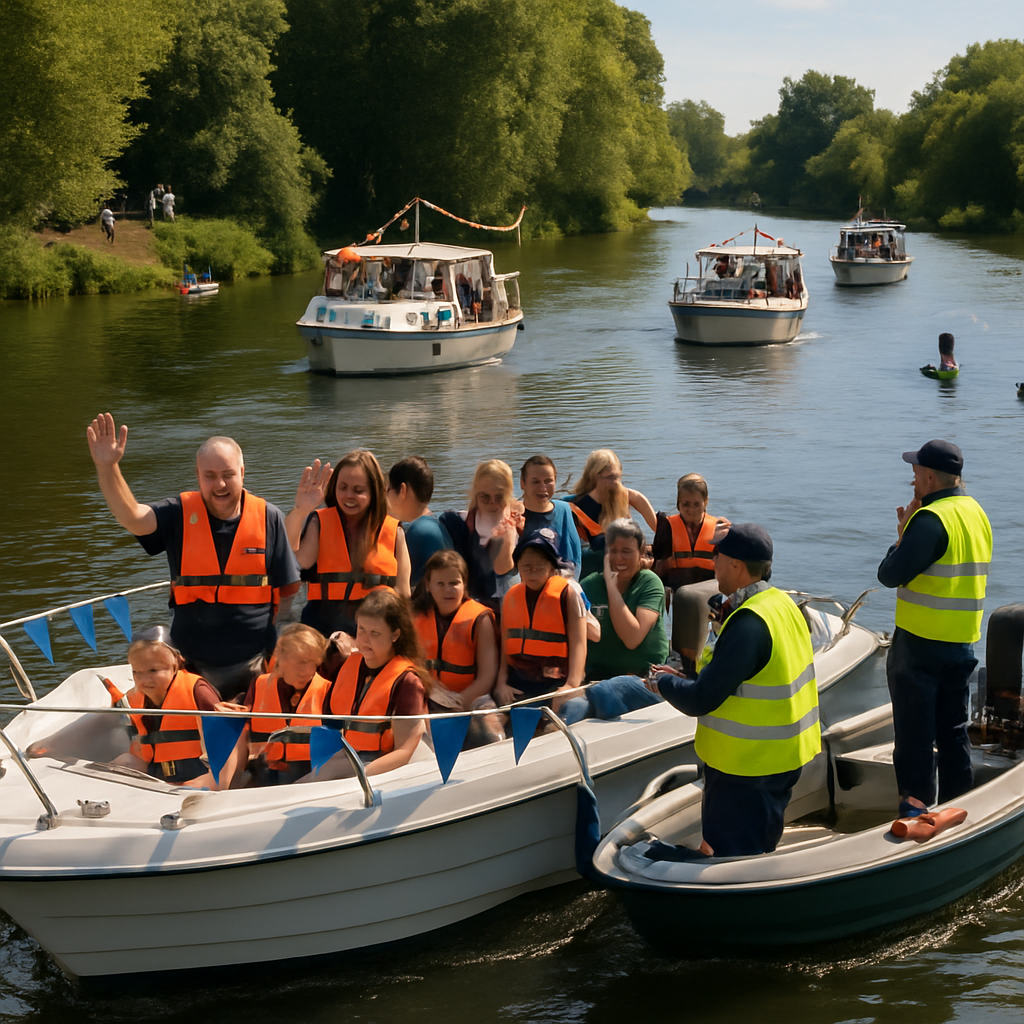
Carry the correct type and number of lifejackets for everyone. Never exceed certified passenger limits—overcrowding invalidates safety standards and insurance.
Anchoring and mooring etiquette
Only anchor in approved spots. When rafting up, communicate with neighbouring boats to avoid entanglement and to ensure clear egress routes for emergencies.
Engine use and fuel handling
Avoid running engines at high revs while stationary and prevent leaks. Bilge discharges are usually prohibited during events—keep your bilges clean and carry absorbent pads.
Communications and signage
Monitor the event VHF channel if one exists and carry the organisers’ contact numbers. Display required flags or permit documents when asked.
Safety, Waste, and Environmental Rules During the Riverfest
Saint Albans Boat Party is a celebration of community and the river. To keep that river healthy and welcoming year after year, follow sensible environmental and safety rules.
Waste management
- Do not throw rubbish overboard. Bring sealed bags and keep waste on board until Du reach a shore disposal point.
- Separate recyclables where possible and follow event guidance for hazardous waste like batteries or fuel cans.
- Collect other people’s litter if it’s safe to do so—small acts help keep the river clean and reputation intact.
Sewage and greywater
Empty sewage holding tanks only at approved pump-out stations. Discharging sewage into the river is illegal in many places and harms wildlife as well as public health.
Fuel spills and prevention
Use spill trays and funnels when refuelling. Carry basic spill kits and be ready to report and respond swiftly to any incident. Authorities take pollution seriously—reporting quickly can limit damage and penalties.
Wildlife protection
Observe exclusion zones around nesting areas and reedbeds. Reduce noise and speed near sensitive habitats—disturbance can have seasonal impacts, especially during breeding times.
Smoking, open flames, and fire safety
Fire risks on boats are real. Many boats will prohibit open flames or barbecues, especially near fuel. If Du must light a grill, check the rules first and position it safely away from fuel stores and overhangs.
Alcohol, Noise, and Public Disturbance Policies on the River
Celebrating responsibly keeps Riverfest fun for everyone. These are the common expectations and legal realities regarding alcohol, noise, and antisocial behaviour.
Drinking and vessel operation
Alcohol may be permitted for passengers, but operating a vessel under the influence is illegal and dangerous. Skippers must stay sufficiently sober to navigate and respond to emergencies. Breath tests or enforcement checks can occur.
Selling alcohol and running stalls
To sell alcohol or food from a boat, Du typically need temporary event licensing and to meet food safety standards. Unlicensed sales risk fines and confiscation.
Noise, music, and amplified sound
Amplified music often needs a permit. Respect quieter areas near homes and wildlife, and stick to any event curfews. If organisers or wardens ask Du to lower the volume, do it—being cooperative keeps the whole event running smoothly.
Behaviour and public nuisance
Rowdy or dangerous behaviour, harassment, public urination, or littering can get Du removed from the water—and possibly prosecuted. Keep it friendly and respectful; Du’re representing your community on the river.
Fireworks and pyrotechnics
Fireworks are most often banned unless part of a licensed professional display. They’re unsafe on small boats and can distress wildlife; don’t attempt them without full permits and expert operators.
Tips from Saint Albans Riverfest for a Smooth, Lawful Experience
Want to have a great time and avoid headaches? Here are practical, proven tips from Riverfest organisers and regular attendees. Little preparation makes a big difference.
Plan and apply early
Start permit applications as early as possible—weeks rather than days. This gives Du time to respond to requests and reduces last-minute stress.
Bring paperwork and keep it handy
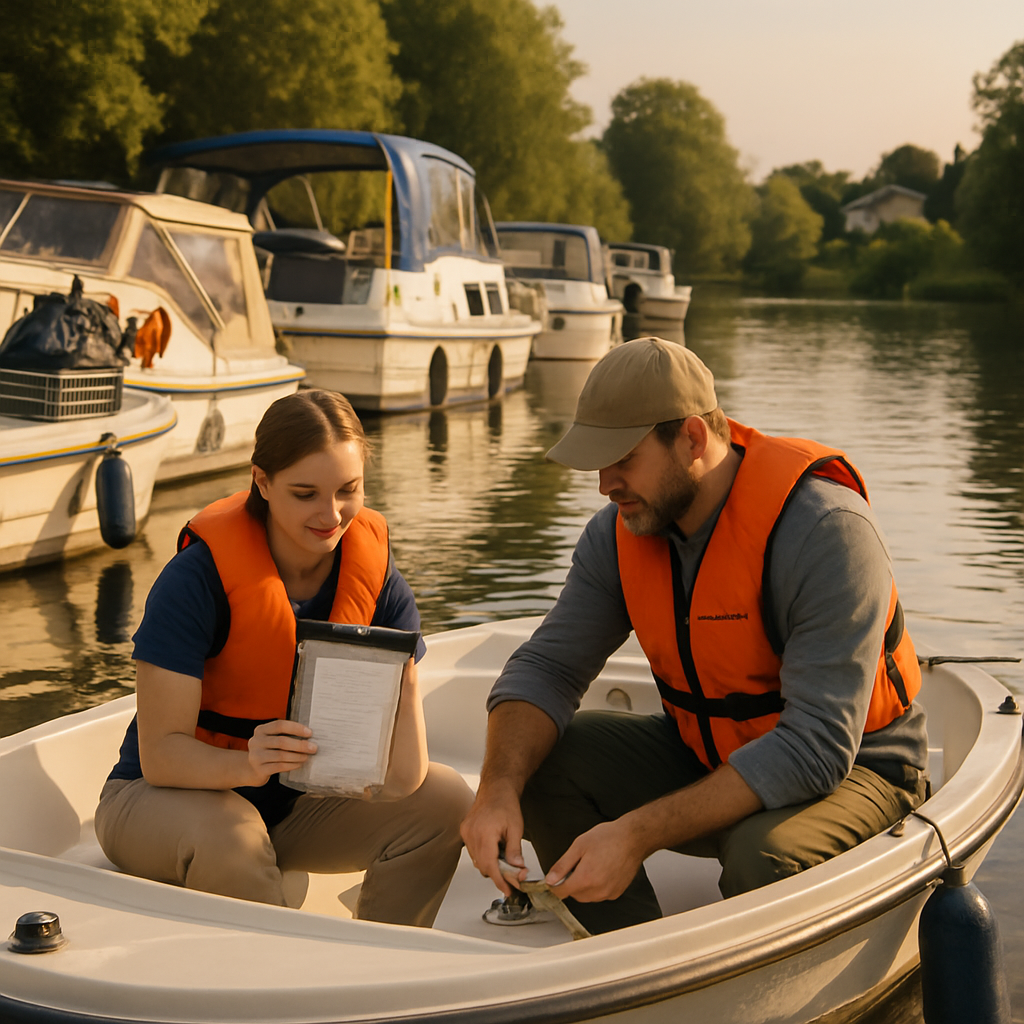
Keep registration, insurance, permits, and skipper qualifications at the ready. A folder or waterproof pouch makes life easier when wardens come by for checks.
Brief your crew
Tell everyone onboard about safety routines, noise limits, waste expectations, and where the lifejackets live. A short pre-launch chat prevents most small problems.
Sensible safety kit
Pack lifejackets for each passenger, a first-aid kit, a torch, spare lines, a bailer, and a basic spill kit. Test communications gear and have a charged phone with the organiser’s number saved.
Designate a sober skipper
Rotate responsibility or agree a sober skipper before the day starts. If lots of people want to drink, consider arranging pickup or a shuttle boat for the return journey.
Coordinate with neighbouring boats
When rafting up, talk to the boats around you. Agree on who’s responsible for which lines, how loud music will be, and how Du’ll manage egress in an emergency.
Dispose of waste early
Don’t leave rubbish until the end of the day. Deliver it to shore collection points during quieter times—this helps volunteers and prevents unsightly piles at peak times.
Respect residents and wildlife
Keep noise down near banks and leave quiet corridors for wildlife. Good manners now keep access open for future Riverfests.
Enforcement and Penalties
Authorities aren’t out to spoil the fun, but they will act where rules are broken. Here’s what Du might face if Du ignore permits or regulations.
- Fines for unauthorised anchoring, pollution, or excessive noise.
- Orders to move or cease activities, sometimes immediately.
- Confiscation of goods sold illegally (e.g., unlicensed alcohol sales).
- Withdrawal of event permits for organisers if widespread non-compliance occurs.
- Criminal charges in severe cases, such as deliberate pollution or reckless operation endangering lives.
Think of enforcement as a last resort. The best strategy is to be proactive: follow the rules, keep tidy, and cooperate with marshals and wardens.
Final Checklist Before You Launch
- Have Du checked which permits Du need and applied where required?
- Is your vessel registration and insurance current and on board?
- Is your safety kit complete: lifejackets, first aid, fire extinguisher, torch, spill kit?
- Has the crew been briefed and a sober skipper designated?
- Do Du have a float plan and an ashore contact with estimated return time?
- Have Du packed sealed bins and labelled recyclables?
- Is your mobile charged and the event VHF channel monitored?
- Do Du know where the nearest pump-out, fuel, and emergency services are located?
Frequently Asked Questions (FAQ)
Q: Do I need a permit to join the Saint Albans Boat Party?
A: In many cases, private recreational boats only need current registration and valid insurance to attend. However, if Du plan to anchor in a restricted zone, sell goods or alcohol, run amplified music, or operate commercially (charter or passenger transport), then specific permits or notifications to the navigation authority will usually be required. Always check with the Riverfest organisers well ahead of the event to confirm exactly what’s necessary for your planned activities.
Q: How far in advance should I apply for river permits?
A: Permit processing times vary, but a safe approach is to start 4–8 weeks before Riverfest for most formal permits. Some event or commercial licences can take longer, so if Du’re selling goods, arranging a large raft-up, or planning a public entertainment element, begin the application process even earlier. Submitting complete documentation the first time avoids delays and reduces stress as the event approaches.
Q: What documents must I carry on board?
A: Keep original or digital copies of vessel registration, third-party liability insurance, skipper qualifications (if required), photo ID for the skipper, and any event or temporary permits. Also carry a safety checklist, the vessel’s passenger capacity certification, and a simple emergency contact list. Having these to hand speeds up inspections and shows you’re prepared.
Q: Can I drink alcohol while on my boat?
A: Passengers may usually drink, but operating a vessel under the influence is illegal and dangerous. As a rule, designate a sober skipper for the day and ensure Du have contingency plans for returning to shore safely if the skipper becomes impaired. Remember that enforcement officers may perform checks, and penalties for impaired operation can be severe.
Q: Am I allowed to sell food or alcohol from my boat?
A: Selling food or alcohol from a boat typically requires temporary event licensing, food safety compliance, and sometimes a commercial stall permit. Alcohol sales usually need a designated licence with conditions around hours and age verification. If Du intend to sell, contact the organisers and local licensing office early and be ready to meet inspection requirements.
Q: What should I do about waste and sewage?
A: Never dump rubbish or sewage into the river. Carry sealed bins for general waste and recyclables and use designated shore collection points. Empty sewage holding tanks only at approved pump-out stations. Bring spill kits and absorbent pads for fuel or oil incidents and report any pollution immediately to organisers and the river authority.
Q: Can I anchor or raft up wherever I like?
A: No—anchoring and raft-ups are subject to local rules and permit conditions. Some stretches are protected for wildlife or are navigation channels that must remain clear. If Du plan to raft up, seek prior approval for the chosen location and coordinate with neighbouring boats to keep clear access routes for emergency services.
Q: What safety equipment is essential?
A: At minimum, have lifejackets for every person on board, a first-aid kit, a torch, a charged mobile phone, spare lines, and a basic fire extinguisher. For powered craft, carry a VHF radio if possible and a simple spill kit. Check that lifejackets fit and that emergency contacts are easily accessible to anyone on board.
Q: Who enforces the rules during Riverfest?
A: Enforcement may be carried out by a mix of navigation wardens, river police, local council officers, and event stewards. They can issue fines, order boats to move, revoke permits, and in serious cases initiate criminal proceedings. Cooperate with officers and follow instructions to avoid escalation.
Q: What should I do in an emergency or if I see pollution?
A: For medical emergencies, call the local emergency number and alert event stewards immediately. For pollution or fuel spills, report the incident to organisers and the river authority straight away and, if safe, contain minor spills using absorbent materials. Keep clear access for emergency services and follow the event emergency plan if one is in place.
Q: Will amplified music be allowed?
A: Amplified music often requires a permit and usually comes with conditions on timing and volume to limit disturbance to residents and wildlife. If Du plan to use loudspeakers, check the event’s sound policy and be prepared to reduce volume or stop during requested quiet periods.
Q: How can I make sure future Riverfests are allowed to continue?
A: Respect rules, minimise environmental impact, manage waste responsibly, and be considerate to residents and wildlife. If Du follow permit conditions and cooperate with organisers, it helps build trust with authorities and neighbours—making it far more likely that Riverfest will be welcomed in years to come.
Saint Albans Boat Party Permits and Regulations may sound like a lot, but they’re really about keeping people safe, protecting the river, and ensuring the event can continue year after year. If Du prepare, follow the rules, and show a bit of neighbourly respect, Du’ll be part of a great day on the water. See Du on the river—responsibly!