Ready to turn a sunny Saturday on the water into an unforgettable community celebration? Organizing a boat party is as much about logistics as it is about laughter, music, and those little spontaneous moments when everyone waves at each other from deck to deck. This guide walks you through every step of Organizing a Boat Party for Saint Albans Riverfest — from practical planning and safety checklists to the on-the-day tricks that keep things running smoothly. Grab a notepad (or your phone), and let’s get this flotilla planned.
When you start plotting details, consult resources that address common challenges: consider how Boat Setup for Seating Canopies and Decor can improve comfort and safety on deck, and use a template like Guest List Management for Saint Albans Boats to track passengers and emergency contacts. For timing and scheduling, review our Planning a Saint Albans Waterfront Boat Party Timeline, and make sure you’ve read Safety Protocols and On Water Emergency Plans to prep for incidents. Don’t forget to confirm legal requirements via Saint Albans Boat Party Permits and Regulations and bookmark saintalbansriverfest.com for updates and community notices.
Organizing a Boat Party for Saint Albans Riverfest: A Practical How-To
At its core, Organizing a Boat Party is about creating a safe, inclusive, and fun experience for everyone on the river. Start by deciding what kind of party you want: a relaxed meetup, a themed parade, a family-friendly float, or a lively party that turns heads. Once you’ve picked the vibe, follow these practical steps to bring it to life without losing your mind.
Define the scope and goals
Ask yourself: How many boats? What types of vessels can join? Will there be judging categories or prizes? Are you supporting a local cause? Setting clear objectives early stops scope creep and helps you communicate expectations to participants. For example, a family-focused flotilla will have different rules and timings than an evening party with lights and loud music.
Pick a route and safe staging area
Choose a launch point and anchoring zone that keeps navigation channels clear. Think about accessibility for everyone: are there ramps for those with limited mobility? Is there nearby parking and a ferry or mooring area for non-boaters who want to join ashore? Confirm you’re not blocking commercial traffic lanes and pick places with straightforward entry and exit lanes.
Assign roles and responsibilities
You’ll need a small crew: an event lead to make final calls, a safety coordinator, flotilla marshals who guide boats on the water, a communications lead for messages and radio channels, and volunteers for check-in and cleanup. Give people clear, simple tasks and a backup person for every role.
Secure permissions and notify authorities
Contact the local river authority, harbor master, or council early. They’ll tell you about any permits, noise restrictions, or safety requirements. You’ll also want to file a basic float plan with them if that’s standard practice in Saint Albans, and let local emergency services know you’ll have a larger concentration of vessels on a specific route for a defined time.
Create a straightforward sign-up and rules packet
Use a simple online form to collect boat details, skipper contacts, passenger counts, and any special needs. Send registrants a concise packet that includes the parade route, a safety checklist, VHF channel for the event, arrival times, and a short code of conduct. Keep it short — people read the essentials when they’re on the dock, not a novel.
Essential Gear and Safety Checklist for Your Saint Albans Riverfest Boat Party
When it comes to Organizing a Boat Party, safety isn’t optional — it’s the foundation. Make sure every vessel has the basics and that skippers review safety protocols before leaving the dock. Share this checklist with all participants and consider making it required for check-in.
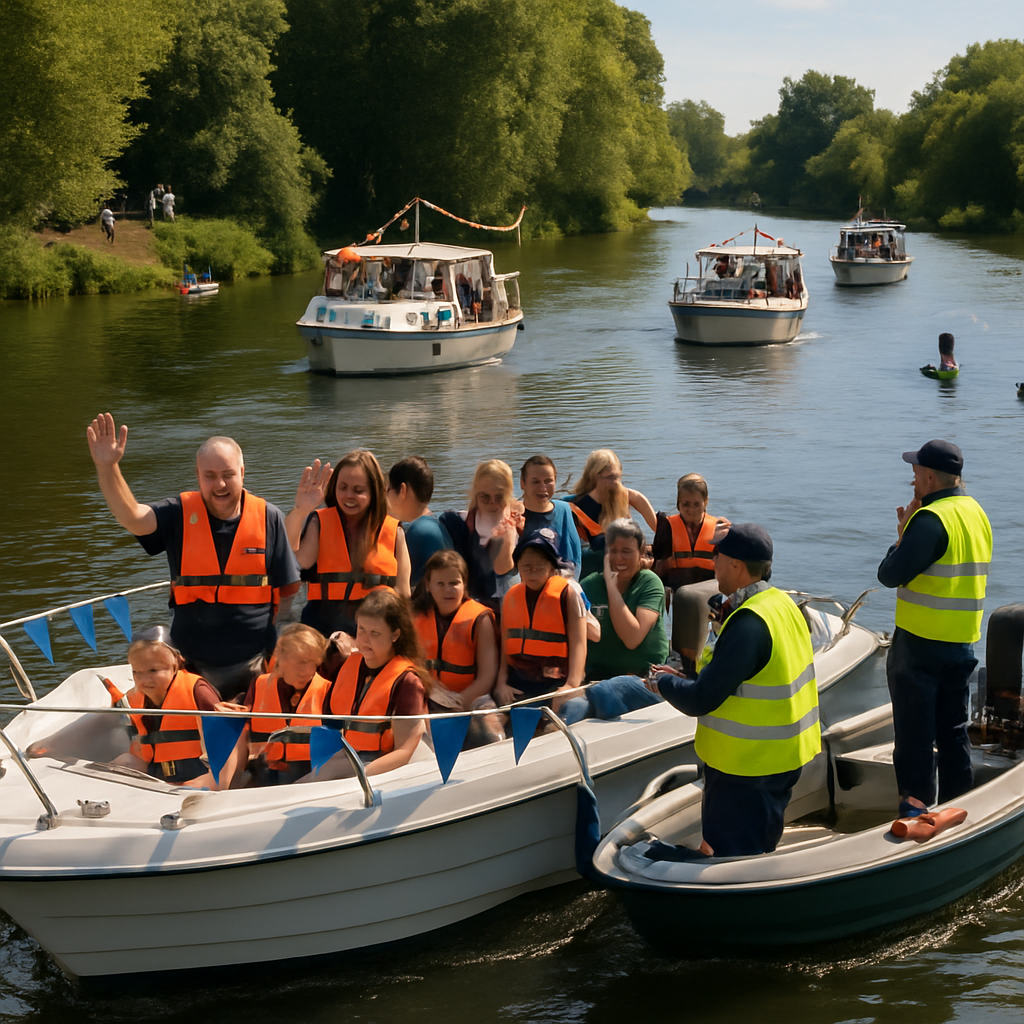
- Personal flotation devices (PFDs): One, properly sized life jacket per person. Keep them accessible, not stashed in lockers.
- Designated sober skipper: Each vessel should have a sober person responsible for navigation and safety.
- VHF radio and charged phones: A VHF for flotilla communication and a fully charged phone for emergencies. Share the primary channel and a backup contact number.
- Navigation lights & spares: Essential for dusk events. Test lights and have spare bulbs or batteries.
- Sound signaling device: Horns or whistles for communication and alerting other vessels.
- Anchor and rode: Test your anchor ahead of time and bring an appropriately sized rode for expected depth and current.
- First aid kit & seasickness remedies: Include basic supplies and anti-nausea measures.
- Fire extinguisher & bilge pump: Service the extinguisher and test bilge pumps before departure.
- Emergency signaling gear: Flares (if appropriate), torches, and a signaling mirror for daytime emergencies.
- Tool kit & spares: Basic tools, tape, spare fuel, and items for simple repairs.
- Sun protection & hydration: Sunscreen, hats, water in reusable containers, and shade where possible.
- Waste and spill management: Sealed bins for trash and a small spill kit for fuel or oil leaks.
- Float plan and ashore contact: Share your planned route, return time, and passenger list with a responsible person on land.
Pre-event safety brief
Hold a 10–15 minute safety briefing before departure. Cover speeds, spacing rules, VHF procedures, emergency contacts, and the route. Make sure every skipper knows where the nearest hospital is, which channel to use, and who the marshals are. This small routine dramatically reduces confusion later.
Planning the Timeline: Invitations, Coordinating Boats, and the River Parade
Good timing makes Organizing a Boat Party far less stressful. Use a timeline to announce the event, manage registrations, and finalize logistics. Below is a practical roadmap to keep things on track.
6–8 weeks before
- Set the date and alternative weather dates. Weekends are best, but consider tides and local schedules.
- Start permits and notifications with river authorities and emergency services.
- Create an event page and registration form. Keep the form short and mobile-friendly.
- Recruit volunteers and assign primary roles.
3–4 weeks before
- Close or cap registrations based on safety capacity.
- Publish the parade route map, assembly points and staging zones.
- Announce contests and categories to spark creativity (best-decorated, best playlist, family float).
- Assign marshals and provide radios/communication plans.
1 week before
- Send participants the full event packet with instructions, timeline, parking, and VHF channel.
- Confirm volunteer rosters and on-water marshal positions.
- Clarify the decision window for cancellation due to weather.
48–24 hours before
- Final weather and river check; send a go/postpone message.
- Confirm that major vessels are fueled, lights are working, and safety gear is aboard.
- Publish the day-of schedule and remind participants about check-in times.
Sample day-of schedule
- 08:00 — Volunteers arrive; set up check-in and information point.
- 08:30 — Participant arrival and safety check.
- 09:00 — Briefing for skippers and marshals; final radio check.
- 09:30 — Parade begins; marshals lead in numbered order.
- 11:30 — Anchoring/social zone with activities and judging.
- 13:00 — Break-up and staggered departures to avoid congestion.
Building Community: How to Involve Neighbors and Local Boaters in Saint Albans Riverfest
Organizing a Boat Party becomes a true festival when neighbors and local groups are part of the story. Community buy-in not only increases attendance but also strengthens safety and resources.
Partner with marinas and clubs
Marinas, sailing clubs, and paddle groups can help with promotion, safety boats, and launch logistics. Offer them recognition on your event page and consider giving them priority registration windows for their members.
Engage local businesses and schools
Restaurants and cafes can sponsor prizes or offer discounts for participants. Schools and scout groups can create floats or banners, turning the parade into a family-friendly spectacle. These partnerships also give your event more eyes and resources.
Create volunteer roles and recognition
Make volunteer tasks simple and rewarding. Give volunteers a small kit (lanyard, schedule, list of contacts) and publicly thank them in post-event materials. People volunteer again when they feel valued.
Make the event inclusive
Encourage kayakers, paddleboarders, and smaller craft to join with clear, separate guidelines so everyone feels welcome. Offer assistance for those with mobility needs, and provide a shore contact for non-boaters who want to meet groups after the parade.
Decor, Music, and Activities: Crafting the Vibe for a Saint Albans Riverfest Boat Party
The vibe is what people remember. When Organizing a Boat Party, balance creativity with safety and respect for the river. Think about lighting, sound, and family activities that make your flotilla feel like a floating festival rather than a noisy procession.
Decor tips that actually work
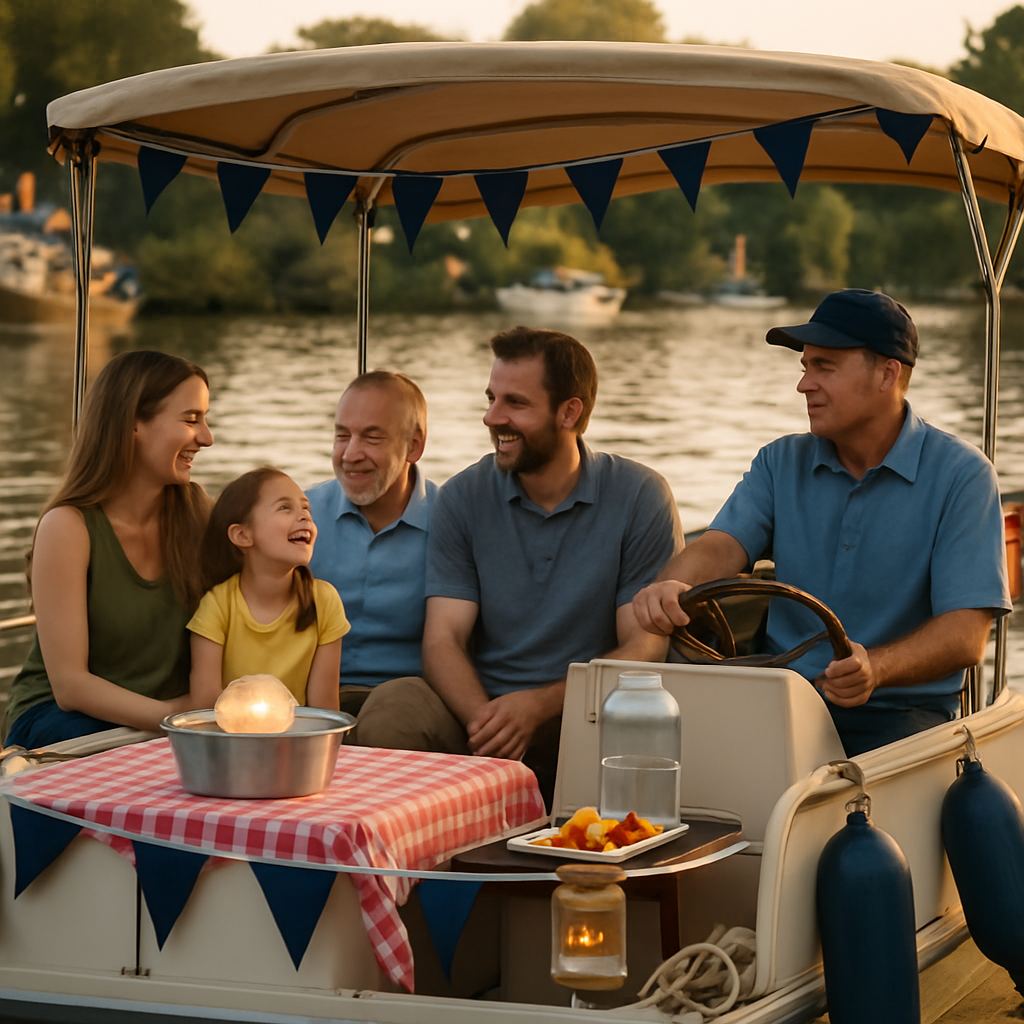
Choose weatherproof and lightweight materials. Battery-powered LED strings, waterproof bunting, and themed flags all look great and won’t pollute the river. Avoid loose paper, streamers, and confetti — they’ll end up in the water and annoy wildlife.
Music without the drama
Make suggested playlists available ahead of time. Encourage participants to keep volume considerate, especially near residential banks. Synchronised starts can be fun: a countdown on VHF and everyone hits play for a shared moment. If you want a calmer vibe, create “quiet zones” near wildlife areas or sensitive shorelines.
Activities and contests
Contests are low-cost, high-fun. Think best-decorated boat, family float, or best costume. For families, plan simple activities like a photo scavenger hunt or a “sea creature spotting” bingo. Use marshals to coordinate judging or nominate a shore-based panel to pick winners from a photo gallery later.
On-the-Day Tips: Weather, Navigation, and Contingencies for a Smooth Riverfest Experience
Even the best-laid plans need backstops. When you’re Organizing a Boat Party, you must anticipate weather changes, keep traffic flowing, and have contingency plans for incidents large and small.
Weather and river condition planning
Check multiple sources: national weather, local river gauges, and tide charts if applicable. Decide on thresholds for wind speed, heavy rain, or high flows that will trigger postponement. Communicate the decision window clearly — e.g., “We’ll confirm go/no-go 12 hours before start” — and stick to it. Nobody likes last-minute chaos, but last-minute safety calls are responsible calls.
Parade discipline and navigation
Keep speeds modest, especially near shorelines and other river users. Marshals should maintain spacing and prevent sudden maneuvers. Brief people on right-of-way rules, how to pass safely, and where to anchor if you need to stop. If commercial traffic or emergency vessels need a clear channel, make sure everyone knows the plan to pull aside or alter course.
Communication is your lifeline
Use a primary VHF channel and a backup phone tree. Encourage skippers to check in at key points (assembly, start, anchor zone, departure). If radios are new to some skippers, run a quick tutorial before leaving the dock — practice makes this feel less intimidating than you might think.
Contingency plans that aren’t complicated
Designate an onshore meeting point, an emergency medical plan, and a lost-child protocol. Keep a small boat ready (if possible) for quick assistance, and assign marshals to respond to mechanical breakdowns. For environmental incidents, have a basic spill kit and a contact who can immediately report larger problems to the authorities.
Frequently Asked Questions (FAQ)
A: Yes, in many cases you’ll need to check with the local river authority or harbor/master. Permits often depend on the size of the flotilla, whether you’ll anchor in public waterways, and if you plan any amplified sound or activities that could affect other users. Start the permit conversation early — at least 6–8 weeks out — so you’ve got time to meet any conditions. If you’re unsure what to ask, our Saint Albans Boat Party Permits and Regulations page breaks down common requirements.
A: At a minimum, every boat should carry a PFD for each person, a designated sober skipper, a VHF radio or reliable phone, navigation lights (for dusk), a horn or whistle, and a workable anchor. You should also have a first aid kit, fire extinguisher, bilge pump and an ashore float plan. Sharing a short safety checklist with registrants and doing a quick on-dock briefing can prevent many headaches.
A: Use a simple online form to capture boat name, skipper contact, passenger counts, and emergency contacts. Cap entries based on safety capacity and marshal resources. We recommend you provide a downloadable guest list template and encourage skippers to bring a printed copy to check-in — this speeds the process and helps with any quick headcounts during the event. Tools and examples are available in our Guest List Management for Saint Albans Boats guide.
A: Absolutely — but treat smaller craft differently. Designate separate lanes or staggered start times to keep them safe from powered boats’ wakes. Assign marshals to look after paddle groups and make sure everyone in small craft has a PFD, a whistle, and a clear plan if conditions change. Including paddlers expands community involvement, so just plan the logistics carefully.
A: Drinking laws still apply on the water — it’s essential to have a designated sober skipper on every boat. Encourage moderate consumption, limit glass containers near edges, and remind boaters that impaired operation is illegal and dangerous. Make it part of your code of conduct and reinforce during the pre-departure safety briefing.
A: Set clear thresholds ahead of time for postponement: wind speeds, heavy rain, or unsafe river flows are common triggers. Communicate a firm decision window (for example, 12–24 hours before the event) so everyone knows when to expect the update. Have a reschedule plan and instruct skippers on safe anchoring or returning to port if conditions deteriorate suddenly.
A: Emphasize a strict no-dumping policy. Use sealed trash bins and bring reusable containers. Avoid decorations that can blow into the water, like loose paper or confetti. Assign a post-event cleanup team and keep spill kits on hand for any fuel leaks. Small efforts make a big difference for wildlife and community goodwill.
A: Provide participants with a clear list of emergency contacts: the local coastguard or river authority, the nearest hospital, and your onshore event lead. Use a primary VHF channel for incident reporting and assign marshals to coordinate immediate responses. Practicing a mock-response in your briefing makes the real thing less chaotic.
A: Be considerate — set suggested volume limits, ask skippers to direct speakers away from shorelines, and create “quiet zones” near sensitive banks. If amplified sound is a concern, inform nearby residents in advance and include sound rules in your permit application, if required. A friendly approach usually keeps complaints to a minimum.
A: Bookmark our main hub at saintalbansriverfest.com for updates, detailed checklists, and post-event galleries. It’s also a great place to connect with volunteers, marinas, and local sponsors who can help make your boat party a success.
Wrap-up and Post-Event Actions
The day ends, but the good will lasts if you finish well. Small follow-ups after the event boost credibility and make next year easier when you’re Organizing a Boat Party again.
Thank volunteers and participants
Send a thank-you email with photos, contest winners, and a short recap. Publicly recognize volunteers and sponsors on your event page and social platforms. A little appreciation goes a long way.
Collect feedback and document learnings
Use a short survey to find out what worked and where you can improve. Ask specific questions about safety, communications, timing, and the parade route. Then hold a quick debrief with organizers to log decisions and update your templates and checklists.
Leave the river better than you found it
Confirm cleanup is complete and ensure no gear, decorations, or trash are left in the water or onshore. If you had any fuel spills or environmental issues, document what happened and contact local authorities so you can improve your response plan next time.
Organizing a Boat Party for Saint Albans Riverfest is a balancing act: logistics and safety on one side, creativity and community on the other. When you plan carefully, communicate clearly, and keep safety at the heart of every decision, you’ll create a day on the water that people talk about all year. So go on — send that registration link, recruit a few willing volunteers, and get ready to make waves (the good kind!).