Attention: Ready to turn your boat into the most talked-about float on the river? Interest: Whether you’re aiming for sing-along nostalgia, family-friendly fun, or a full-on sunset dance session, this guide will get you there. Desire: Imagine clear, powerful sound, curated playlists that match every mood from morning coffee to late-night chill, and a setup so reliable your only worry is the next chorus. Action: Read on for practical, down-to-earth advice on Music Playlists and Sound Setup for Saint Albans Boats that you can use today—no pro DJ skills required. You’ll find tips on speakers, batteries, playlist pacing, and how to keep your neighbors smiling while you play great tunes.
If you want quick inspiration beyond the music itself, check out our Boat Party Ideas for clever layouts and décor that work on water; explore Interactive Activities for Boat Guests on Saint Albans River to keep people laughing, playing, and engaged between songs; and browse Saint Albans Theme Ideas for Boat Parties when you want a cohesive vibe that ties the music, decorations, and costumes together. Each guide is written with Riverfest realities in mind—space limits, safety, and how to keep different age groups happy—so you can plan a memorable float that looks as good as it sounds.
Music Playlists That Energize Saint Albans Riverfest Boats
When you’re out on the water, music does more than fill silence—it creates moments. The right playlist can lift spirits, coax people onto the deck, and keep the vibe moving all day. For Music Playlists and Sound Setup for Saint Albans Boats, think structure first: warm welcome, cruise momentum, party peak, sunset reflection, and nightcap. That arc helps you avoid awkward mood drops.
Principles for an Energizing Riverfest Playlist
- Start mellow, then build. Ease people into the day with mid-tempo tracks and familiar melodies.
- Mix genres and eras. Throw in classics—everyone knows the chorus—alongside modern hits to keep things fresh.
- Pace with BPM. Use slower songs (90–110 BPM) to begin, then ramp to 120+ BPM for peak energy.
- Prepare mood playlists. Keep separate lists labeled Chill, Cruise, Party, Sunset for quick swaps.
- Short loops are your friend. People come and go; a 90–120 minute main playlist keeps repetition low but flow high.
Curated Example Flow
Here’s a realistic example you can copy and tweak. It’s organized by time-of-day energy, each block lasting 30–60 minutes depending on how long you’ll stay in that mood.
Warm Welcome (30–45 min)
Breezy indie pop, laid-back soul, and acoustic versions of sing-alongs. Think of this as background conversation music that invites people to settle in.
Midday Cruise (45–60 min)
Introduce reggae-tinged tunes, upbeat rock, and tropical house to get feet tapping and people exploring the boat.
Afternoon Peak (60–90 min)
Drop in high-energy pop, remix anthems, and crowd-pleasing sing-alongs. This is your “float party” slot—keep transitions tight and the mix surprising.
Sunset Groove (30–60 min)
Smooth R&B, mellow electronic, and acoustic ballads. People watch the light change; music should complement that magic, not drown it.
Nightcap (30–45 min)
A calm close: downtempo soul, soft rock, and gentle electronic tunes that help folks wind down before docking or heading home.
Sound Setup Essentials for Saint Albans Boats: A Practical Guide
A good playlist matters—but without a dependable sound setup, even the best songs can sound thin or distorted. The river presents unique challenges: open-air acoustics, wind, spray, and sometimes cramped space. For Music Playlists and Sound Setup for Saint Albans Boats, prioritize clarity, protection from moisture, and secure mounting.
Essential Gear
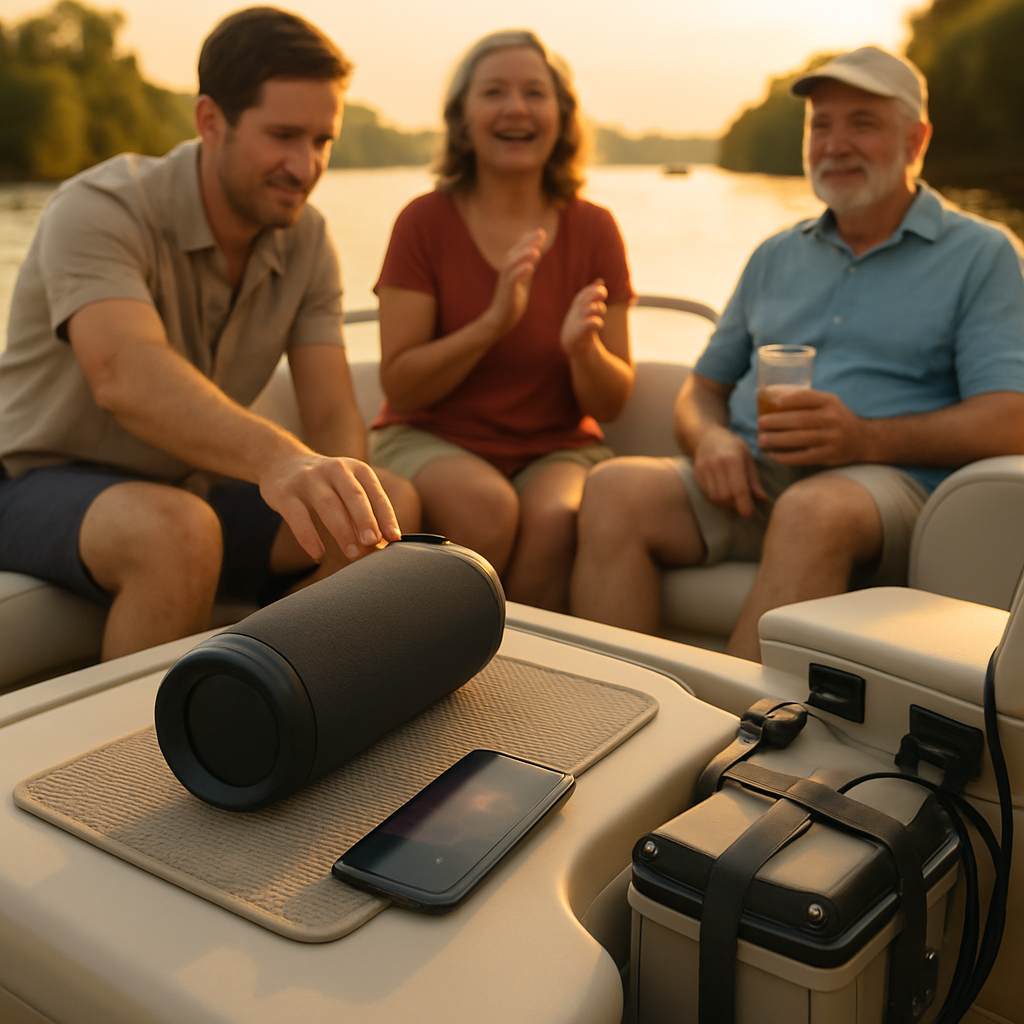
- Primary playback device: phone or tablet with offline playlists. Always bring a second device as backup.
- Speakers: at least two for stereo spread. Active Bluetooth speakers are versatile; marine-rated speakers are best for permanent installs.
- Power source: battery pack, deep-cycle marine battery, or the boat’s 12V system with proper fusing.
- Cables & adapters: AUX, USB, and any necessary connectors. Keep spares—cable failure happens at the worst time.
- Mounting & protection: non-slip mats, straps, and waterproof covers. Secure everything—loose gear becomes dangerous fast.
Setup Tips for Better Sound
- Place speakers aimed at the seating area, not at open water. That targets your sound where people are and reduces spill to other boats.
- Height helps: elevate speakers slightly to reduce water reflection and improve dispersion.
- Use two speakers for a stereo image—this makes music feel fuller and more immersive.
- Control bass. Low frequencies travel far over water and can disturb neighbors; a subtle cut in the low end maintains presence without overwhelming.
- Keep volume consistent. Sudden peaks are jarring and eat battery life.
Troubleshooting Common On-Boat Audio Problems
If Bluetooth keeps dropping, move the playback device closer to the speaker, remove interference sources, or switch to a wired connection. Distortion usually means you’re pushing speakers past their limits—drop the gain, reduce bass, or use a compression/limiter if available. If your setup dies mid-day, check battery connections and fuses first; a corroded terminal is the sneakiest culprit.
Curating Family-Friendly Playlists for Saint Albans Riverfest
You want music everyone can enjoy—kids, grandparents, and that friend who insists on blasting their latest guilty-pleasure pop hit. Family-friendly playlists keep lyrics clean, energy appropriate, and include interactive moments that kids can dance or clap along to.
What to Include
- Clean or radio edits of pop songs. Most streaming services offer family-friendly versions.
- Timeless sing-alongs: Beatles, Queen, or classic Motown for mass participation.
- Upbeat children’s tracks sparingly—use them to switch gears or during games.
- Instrumental interludes to give kids and adults a rest from constant vocals.
Sample 2-Hour Family Playlist Structure
- 0–20 min: Welcome songs—easy sing-alongs to get everyone settled.
- 20–60 min: Playtime mix—fun, upbeat but not overwhelming.
- 60–90 min: Group activities—songs suitable for simple dance moves or games.
- 90–120 min: Wind-down—acoustic and mellow songs to transition to quieter activities.
Choosing Portable Speakers and Power Solutions for Saint Albans Boats
Your speaker choice influences portability, sound quality, and how long you can keep the party going. For Saint Albans Riverfest, many people prefer a portable solution that’s powerful, waterproof, and battery-efficient. Still, larger boats may justify a permanent marine system.
Speaker Options: Pros and Cons
- Portable Bluetooth speakers: Great for flexibility. Look for IPX7 or higher for water resistance. They’re easy to move but can struggle with very large crowds.
- Marine-grade active speakers: Designed to take spray and sun—better for long-term installs and loud, clean sound.
- Passive speakers with an amp: Best sound and power for big boats, but installation and wiring are more involved.
- Battery-powered PA systems: Useful if you’ll have announcements or a mic. They’re heavier but powerful.
Estimating Battery Needs (Practical Example)
Let’s say you’re using a 12V active speaker drawing roughly 50W on average. The math helps you pick a battery that won’t leave you high and dry.
- Current = 50W ÷ 12V ≈ 4.2A
- For 6 hours, you need ≈ 25Ah (4.2A × 6h)
- Add 25% overhead for inefficiency = ~31Ah
- For a lead-acid battery, don’t go below 50% discharge, so pick ~62Ah. For LiFePO4, you can choose ~35–40Ah.
Always fuse inline, secure batteries in ventilated boxes, and label connections. Consider a small solar panel to trickle-charge if you expect multi-day use.
Managing Volume, Etiquette, and Safety: Sound Tips for Saint Albans Riverfest
Riverfest is a community event—your music should add to the fun, not create conflict. Keeping things friendly requires a little thought and a lot of common sense.
Volume and Etiquette
- Aim for about 70–85 dB at listening positions. That’s lively but not destructive. Avoid peaks over 95 dB.
- When near anchored neighbors or residences, lower the bass and overall level. Directional speakers help keep sound focused.
- Be responsive: if another boater asks you to quiet down, do it. Quick compliance prevents complaints and keeps the community happy.
- Plan quiet periods: mealtimes, mid-afternoon naps, and late-night windows deserve silence or soft music.
Safety Around Equipment
- Secure all gear—straps, mounts, and non-slip mats are cheap insurance against accidents.
- Keep cables out of traffic paths. Tape or route them under seats where possible.
- Protect equipment from spray with waterproof cases. Even “waterproof” gear can suffer from repeated exposure to salt and grime.
- Offer ear protection for kids and anyone sensitive to loud sound—simple foam plugs work wonders.
Legal & Community Considerations
Check local rules and Riverfest-specific guidelines. Some waterways have quiet hours or restrictions on amplified sound. Respect wildlife and neighboring properties—low-end frequencies in particular carry far over water and irritate wildlife and people.
Seasonal Playlist Ideas for Saint Albans Riverfest: Morning to Night
Different seasons and times of day call for different musical palettes. Use this guide to pick the right vibe from sunrise to stars, and don’t be afraid to switch genres as the light changes.
Spring & Early Summer
Fresh and optimistic. Morning sets are acoustic and folk-inspired, midday shifts to upbeat island flavors, and sunsets lean cozy and melodic.
Peak Summer
Full-on sunny energy—tropical house, pop, reggae, and dance remixes. Keep batteries and hydration levels high.
Late Summer & Early Fall
More nostalgic and mellow. Folk, smooth jazz, and classic rock make for relaxed cruises and reflective sunsets.
Time-Sliced All-Season Template
- 06:30–09:00 — Morning Chill: acoustic covers and smooth vocalists
- 09:00–12:00 — Cruise Warm-up: reggae, mellow pop, light dance
- 12:00–16:00 — Peak Party: danceable pop, classic anthems, remixes
- 16:00–19:00 — Golden Hour: soulful, harmony-rich tracks
- 19:00–22:00 — Night Ambience: downtempo electronic and R&B
Quick Setup Checklist
- Primary and backup music devices with offline playlists
- Two or more speakers for balanced sound
- Spare cables (AUX, USB), adapters, and cable tape
- Battery sized for expected run time plus overhead
- Waterproof covers, straps, and anti-vibration pads
- Earplugs and a brief “music etiquette” note for your guests
FAQ — Common Questions
Q: How loud should I play music at Saint Albans Riverfest?
You should aim for a lively but considerate level—about 70–85 dB at listening positions. That gives you energy without making conversation impossible and helps avoid complaints. If someone nearby asks you to quiet down, do it quickly; being flexible keeps the vibe friendly and lets you enjoy the day without a confrontation.
Q: What portable speakers work best for boats?
Look for speakers rated IPX7 or better, with a balanced low-end and at least 10–12 hours of battery life for long days. Brands and models vary, but prioritize sound clarity over raw volume—clarity carries better over water and reduces the temptation to crank bass. If you want to go permanent later, marine-grade active speakers are the best upgrade.
Q: How can I power speakers all day without draining my boat battery?
Do the battery math beforehand: estimate average wattage, convert to amps, then pick a battery with extra capacity. Deep-cycle marine batteries or LiFePO4 units are ideal. Bring a spare battery or a high-capacity power bank, and consider a small solar panel for trickle charging. Always use inline fuses and secure batteries in ventilated boxes for safety.
Q: What are quick fixes when Bluetooth keeps dropping?
First, move your playback device closer to the speaker and remove obstacles. Keep other Bluetooth devices off to reduce interference, and try switching to a wired AUX connection if problems persist. Also check for low battery on either device—low power can cause unstable Bluetooth behavior.
Q: How do I make playlists that work for mixed-age groups?
Mix eras and moods: start with sing-along classics, add current clean pop, include a few children’s tracks for games, and alternate energy so kids don’t get overstimulated. Prepare short theme playlists—Chill, Cruise, Party, Sunset—that you can swap depending on the crowd’s vibe.
Q: Are there legal restrictions I need to worry about?
Yes—check local noise ordinances and marina rules, especially regarding amplified sound after dark. Riverfest may have event-specific guidelines about music zones and quiet hours. Respecting those rules protects you from fines and helps maintain good relations with organizers and neighbors.
Q: How do I avoid disturbing wildlife and neighbors?
Avoid heavy, low-frequency bass, especially at night, and keep directional speakers pointed toward your boat’s seating area. Lower volume when near marshes, bird nesting sites, or residential moorings. Small changes—like cutting bass by a few dB—can significantly reduce disturbance while keeping the music enjoyable.
Q: What’s the best way to keep kids engaged without constant loud music?
Use interactive songs, short activity bursts, and mixes with call-and-response parts. Alternate high-energy tracks with mellow ones and build in quiet time for snacks or story moments. Having a dedicated kids’ playlist ready makes transitions smooth and keeps everyone happy.
Q: How do I make announcements without killing the music vibe?
Use a small PA or battery-powered speaker with a mic input for brief announcements. Keep messages short and friendly and drop the music volume a touch before speaking. If you don’t have a mic, pause tracks briefly and make quick, clear announcements so people don’t miss important info.
Q: What should I do if another boater complains about my music?
Listen and respond calmly—lower the volume immediately, check how far the sound carries, and offer to move the speakers or change direction if possible. A quick apology goes a long way. If complaints persist, consider relocating or switching to quieter playlists until tensions cool.
Q: How can I protect audio gear from water and salt damage?
Use waterproof cases and covers, rinse salt off gear with fresh water after the day, and store electronics in sealed bags when not in use. Regularly inspect connectors for corrosion and keep contact cleaner and spare cables on board. Prevention extends the life of your gear and avoids annoying failures mid-event.
Q: What should I include in a Riverfest-ready music bag?
Pack a backup playback device, spare cables (AUX and USB), a multi-adapter, extra battery packs, a small screwdriver set for mounts, waterproof tape, and a towel. Add earplugs and a short printed note about music etiquette for your guests. A little prep saves a lot of last-minute scrambling.
Final Thoughts
Music Playlists and Sound Setup for Saint Albans Boats is as much about people as it is about gear. Think about who’ll be on board, respect your neighbors, and plan for redundancy—backup devices, extra cables, and spare power. With a little preparation, you’ll craft a soundtrack that turns ordinary boat time into unforgettable Riverfest memories. So go on: pick your first song, test your speakers, and bring the good vibes. The river’s waiting.