Keep Your Cool at Saint Albans Riverfest: How to Master Ice Management and Cooling Techniques on Saint Albans River — Stay Chill, Stay Safe, Join the Fun
Attention: It’s Riverfest season, the sun is out, boats are lined up, and everyone wants an ice-cold drink. Interest: But if Du haven’t planned how to manage ice and cooling, a great day on the water can turn into a soggy, warm disappointment. Desire: Imagine crisp drinks, fresh food that stays safe all day, and a comfortable, happy crew—without lugging around endless bags of melting ice. Action: Read this complete guide on Ice Management and Cooling Techniques on Saint Albans River to make your next Riverfest effortless, sustainable, and safe.
If Du’re planning drinks, safety, and a smooth service on board, consider browsing our practical styling and service tips in the Cocktails for Boat Parties guide to help plan what Du’ll chill and serve. Equally important, think about what containers Du’ll use—our notes on Glassware Safety And Alternatives for Saint Albans Boats outline safer, lighter options and help Du avoid broken glass on deck. And if Du want a dedicated mixing area, don’t miss the tips on a compact Portable Bar Setup For Saint Albans Boats that integrates well with your cooler layout and keeps service tidy and efficient.
Introduction: Why Ice Management Matters at Saint Albans Riverfest
Saint Albans Riverfest is about the vibe—music, friends, boats bobbing like a giant floating neighborhood. But a successful Riverfest also depends on the little logistical things: keeping food safe, preventing dehydration, avoiding slippery decks, and minimizing trash. That’s where Ice Management and Cooling Techniques on Saint Albans River come in. Good planning keeps drinks cold, prevents food-borne illness, protects the river, and means fewer mid-day trips to shore. In short: better ice management = more time having fun.
Ice Management and Cooling Techniques on Saint Albans River: A Boater’s Guide
The mission here is simple: use the right ice, pack smart, and position everything so it stays cold longer while keeping your boat stable and tidy. This section breaks down the practical approach—from choosing ice types to cooler layout and ongoing maintenance.
Choose the Right Type of Ice
There’s no single perfect ice for every situation. Knowing the pros and cons saves you money and keeps expectations realistic. When Du plan, think about how long the party will last and how often coolers will be opened.
- Block ice: Slow-melting, heavy, and great for long days. Use as the “cold engine” in larger coolers.
- Bagged cube or nugget ice: Fast cooling, ideal for drinks. Melts sooner, so combine with blocks when possible.
- Dry ice: Extremely cold and long-lasting, but risky. CO2 buildup and frostbite hazards make it unsuitable for most casual Riverfest setups unless Du know how to use it safely.
- Reusable ice packs and frozen bottles: Sustainable, less messy, and excellent for keeping perishables cool without excess meltwater.
Pre-cool Everything
A warmer cooler will kill your ice faster than you think. Pre-chill drinks, food, and if Du can, the cooler itself. Stash items in the fridge overnight. Put the cooler in shade before loading. These simple steps reduce thermal shock and extend ice life significantly.
Cooler Packing Strategy
How Du pack a cooler matters more than how much ice Du buy. Thoughtful layering and separation make a huge difference.
- Place large block ice on the bottom and top—cold sinks, so this keeps everything enveloped in chill.
- Separate drinks and perishables. If possible, use two coolers so the food cooler is opened less frequently.
- Use crushed ice around bottles when Du want fast chill; surround sealed perishables with block ice to slow melting.
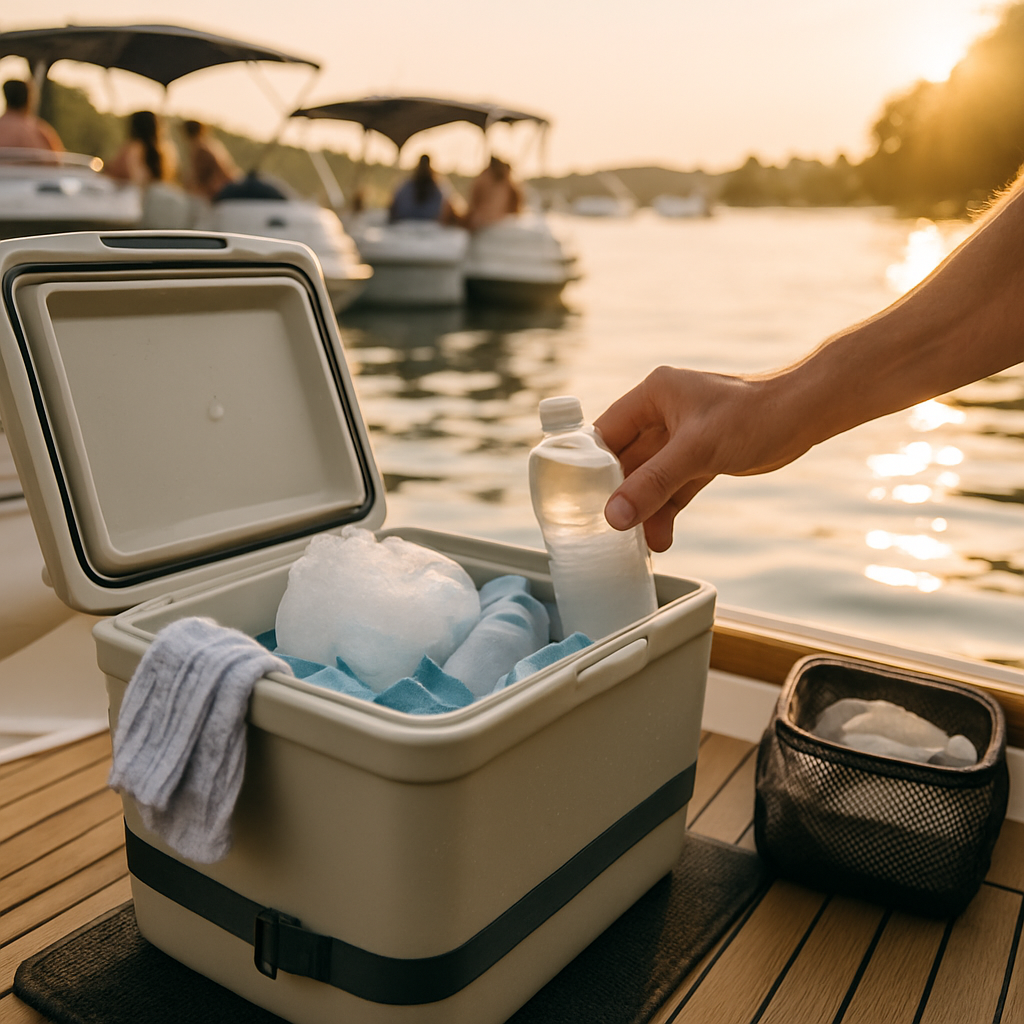
- Fill empty spaces with towels, bottles, or insulation to reduce air pockets. Air is the enemy of cold retention.
- Drain meltwater. Standing water conducts heat and melts ice faster; use coolers with spigots or carry a small pump.
Placement on the Boat
Safe placement keeps your passengers comfortable and your vessel stable.
- Keep coolers in shade when possible—under a bimini or behind a windscreen.
- Secure coolers low and toward the center to maintain balance and prevent sliding if waves roll through the raft-up.
- Avoid placing heavy wet coolers on seats or railings; the high center of gravity is a tip risk.
Keeping Cool on the Saint Albans River: Ice Management Tips for Riverfest Participants
People need cooling just as much as food and drinks. Riverfest days can get hot and humid, especially mid-afternoon. The right ice strategy doubles as a personal cooling plan: frozen water bottles, icy towels, and shaded chill zones make a world of difference.
Hydration Strategies with Ice
Hydration isn’t glamorous, but it’s essential. Plan for more water than Du think Du’ll need—heat, sun, and alcohol add up quickly.
- Freeze some water bottles ahead of time. They act as ice blocks during transit and become refreshing drinks as they thaw.
- Keep electrolyte drinks chilled for sportier guests or on very hot days.
- Set up a rotation: move a fresh batch of drinks into a shaded “grab zone” to avoid opening the main cooler constantly.
Cooling People: Practical Uses of Ice
Ice is more than beverage help; it’s first aid for heat.
- Wrap ice packs or bags in cloth for compresses on the wrists, neck, and temples—this cools core temperature quickly.
- Dip towels in icy water and drape them over shoulders for evaporative cooling during active periods.
- Combine portable misters with ice-chilled water for a refreshing spray when humidity is lower.
Sustainable Ice Management for Saint Albans Riverfest: Practices for a Safe Celebration
Riverfest is at its best when the river stays clean. Sustainable ice choices reduce trash and protect aquatic life without sacrificing chill. Being a responsible boater isn’t just good karma—it keeps the event running for years to come.
Reduce Single-Use Waste
Plastic waste from single-use ice bags and packaging becomes litter quickly. Plan to use reusable options.
- Use freezer bottles or reusable gel packs instead of dozens of single-use ice bags.
- Bring cloth bags or mesh sacks for separation, and always pack out your trash.
- If Du end up with bagged ice, transfer it to cooler and dispose of bags responsibly ashore—don’t leave them on docks or toss them into the water.
Responsible Ice Disposal
Meltwater itself isn’t usually harmful, but water tainted with food scraps, oil, or chemicals is a different story. Avoid dumping those into the river.
- Collect soiled meltwater and solids and dispose of them at proper facilities.
- Rinse coolers onshore in designated areas if needed, and keep detergents off the water.
- Support local suppliers by buying ice locally to reduce transportation emissions and avoid excess packaging.
Preventing Ice Buildup and Ensuring Safety on Saint Albans River During Riverfest
“Ice buildup” might sound funny in summer, but problems arise from meltwater, slippery decks, and the improper use of dry ice. Here’s how to reduce hazards while keeping cool.
Prevent Slips and Water Hazards
Meltwater on deck is a real slip risk. Don’t let a party-ruining spill happen.
- Set a waterproof tray or mat beneath coolers to collect drips.
- Keep absorbent towels and a small mop within reach to manage runoff quickly.
- Place coolers away from walkways and use non-slip pads under them to contain fluids and keep things steady.
Avoid Dry Ice Hazards
Dry ice is powerful but dangerous in the wrong hands. If Du’re tempted to use it, understand the risks first.
- Never place dry ice in a cooler that guests will open without supervision—CO2 gas can accumulate and pose breathing risks.
- Use thick gloves when handling dry ice and keep it out of reach of kids and pets.
- Ventilate containers when transporting dry ice and dispose of it according to local guidelines.
Weight and Stability Considerations
Water weighs: a lot. Multiple coolers full of ice cause significant load changes. Think balance.
- Estimate the weight of ice and water and distribute it low and centrally in the boat.
- Secure coolers with straps to prevent sudden shifts that could impact handling or cause people to fall.
- If Du’re in a raft-up, position heavier boats supporting large coolers centrally to avoid crowding and stability issues.
DIY Ice Chests and Smart Cooling for Saint Albans Riverboat Parties
Not everyone wants to invest in top-tier coolers. A few smart DIY upgrades transform budget bins into serious chillers. These hacks are perfect for regular Riverfest attendees who want to get clever without breaking the bank.
Simple DIY Cooler Upgrade
With minimal cost and a couple of tools, Du can build a cooler that keeps ice longer.
- Buy a rigid plastic tote or an inexpensive cooler that fits your space.
- Line the interior with reflective insulation (like Reflectix) or closed-cell foam and tape seams with waterproof tape.
- Install a drain spigot at the lowest point so meltwater can be removed without dumping ice.
- Create a mesh shelf so drinks sit above meltwater and perishables stay dry.
Solar and 12V Cooling Options
If Du come out every year and want to upgrade, consider powered cooling. These options reduce reliance on ice altogether.
- 12V portable fridges: Run off a boat battery or portable power station. They maintain a stable temperature for long periods. Monitor your batteries to avoid a no-start situation.
- Solar panels and batteries: A small setup can keep a compressor fridge running for a day if sized correctly. It’s an eco-friendly, low-maintenance upgrade.
- Evaporative coolers: Good for cooling people in dry heat but less useful in humid conditions.
Smart Accessories
Little accessories make life easier and reduce waste.
- Cooler thermometers help ensure food stays at safe temperatures.
- Reflective tarps or insulated covers reduce sun exposure on coolers.
- Lockable coolers prevent theft and accidental spillage during crowded raft-ups.
Hydration and Cooling Strategies on Saint Albans River: Ice Management Essentials
Planning hydration is as crucial as planning the playlist. This section helps Du think through quantities, behavior, and heat illness prevention so Du can enjoy the day without drama.
Plan Hydration by Person and Conditions
Everyone’s needs differ, and environmental factors matter. Use sensible estimates and then add a bit more.
- Provide at least 1 liter (about 34 oz) per person for a half-day in the sun; bump that up for full-day events or very active groups.
- Keep water and electrolyte options accessible so people can sip throughout the day rather than guzzling when they’re already thirsty.
Minimize Alcohol-Related Dehydration
Riverfest and drinks go hand in hand, but alcohol accelerates dehydration. Balance fun and responsibility.
- Encourage alternating alcoholic drinks with water. Make water easy to reach and enticing—ice-cold bottles and flavored options help.
- Monitor guests and offer shaded rest spots and cold compresses for anyone who looks flushed, dizzy, or overly tired.
Signs of Heat Illness and Immediate Actions
Being prepared is half the battle. Know the signs and act quickly.
- Heat exhaustion: heavy sweating, weakness, nausea. Move the person to shade, provide cool fluids, and apply cold compresses.
- Heat stroke: confusion, hot dry skin, collapse. Call emergency services immediately. Start active cooling—immerse in cool water or apply ice packs to major arteries (neck, armpits, groin) while waiting.
Packing Checklist for Ice Management (Quick Reference)
- Block ice + bagged cube ice (mixed strategy)
- Reusable ice packs and frozen water bottles
- Separate coolers for drinks and perishables (if possible)
- Reflective tarp or cooler cover
- Cooler with spigot or a drain container
- Non-slip mat/tray under cooler
- Dry towels, mop, handheld bilge pump
- Thermometer for food safety
- Gloves for handling dry ice (if used) and general PPE
- Trash bags for ice packaging and waste
- 12V fridge/solar panel (optional)
Frequently Asked Questions
How long will ice last at Riverfest?
Block ice in a shaded, well-packed cooler can easily last a full day; bagged cubes will melt faster. Du can extend ice life by pre-chilling contents, minimizing cooler openings, using insulation or reflective covers, and combining large blocks with smaller cubes. If Du plan to be out for long periods, consider reusable packs or a 12V fridge to reduce reliance on fresh ice.
How much ice do I need for a day on the river?
A common rule of thumb is roughly 1 to 2 pounds of ice per person for a half-day and 2 to 3 pounds per person for a full day, depending on temperatures and cooler quality. Adjust up if Du expect heavy sun, frequent cooler openings, or a lot of perishables. It’s better to have a little extra block ice than to run out mid-afternoon.
What’s the best type of ice for drinks vs. keeping food safe?
Use bagged cubes or nugget ice for quickly chilling drinks; they surround bottles and cans well. Use block ice around perishables because it melts slowly and keeps temperatures steady. Combining both—blocks for longevity and cubes for immediate cooling—gives the best results for your cooler setup.
Can Du dispose of melted ice water in the river?
Plain meltwater is generally harmless, but never dump water that contains food scraps, oils, detergents, or other contaminants. Collect soiled water and dispose of it properly onshore. Always pack out ice bags, packaging, and any trash—leave the shoreline and river cleaner than Du found them.
Is it safe to use dry ice on my boat?
Dry ice works but carries risks: CO2 gas can build up, especially in enclosed spaces, and handling it without gloves can cause frostbite. Never use dry ice in a cooler that guests will open without supervision, ensure good ventilation, and follow disposal rules. For most recreational Riverfest setups, reusable gel packs or a powered cooler are safer choices.
How should Du pack coolers to prevent foodborne illness?
Keep perishables in a dedicated cooler, set at or below 40°F (4°C). Store raw and ready-to-eat foods separately, and use a thermometer to check temperatures. Replace ice as needed, and avoid leaving perishable items out of coolers for long periods. If a food item has been above safe temperature for over two hours (one hour in very hot conditions), err on the side of caution and discard it.
What can Du do to reduce ice-related waste at Riverfest?
Use reusable ice packs, frozen water bottles, and block ice bought from local suppliers to minimize plastic. Bring mesh bags or cloth sacks for separating items, and pack out all packaging. Consider swapping single-use plastic cups and bags for reusable or compostable options to keep your footprint light while still enjoying the party.
How should Du position coolers to keep the boat stable?
Place heavy, water-saturated coolers low and near the boat’s centerline to keep the center of gravity down. Secure coolers with straps or bungee cords to prevent shifting in waves or during a raft-up. Avoid placing large coolers high on seats or near railings—those placements increase tip risk.
What are the signs of heat illness and what should Du do?
Heat exhaustion signs include heavy sweating, weakness, dizziness, and nausea; provide shade, cool fluids, and cold compresses. Heat stroke is an emergency—look for confusion, hot dry skin, or collapse—call emergency services immediately and begin active cooling (cool water immersion or ice packs on neck/armpits/groin) while waiting for help.
Are there eco-friendly cooling upgrades Du should consider?
Yes—12V compressor fridges powered by a separate battery or small solar setup reduce ice waste and keep stable temperatures. Reusable gel packs, frozen bottles, and reflective cooler covers also cut down on single-use plastics and packaging. These choices save money over time and help protect the Saint Albans River for future festivals.
Final Notes: Plan Early, Stay Safe, and Protect the River
Ice Management and Cooling Techniques on Saint Albans River are the unsung heroes of a fun Riverfest. With a little planning—choosing the right ice, packing strategically, using sustainable options, and keeping people hydrated—you’ll be the host everyone thanks. Keep the river clean, keep an eye on guests, and don’t forget to relax. After all, Riverfest is about community. If Du use these tips, Du’ll save money, reduce waste, and make the day chill for everyone—literally.
Ready to put this into action? Start with a packing list and a rough cooler plan tonight. Pre-freeze bottles, grab a block or two from a local supplier, and set aside a shady spot on deck. Small steps, big payoff. See you on the water—and keep it cool out there!